Buy appmarket.eu ?
We are moving the project
appmarket.eu .
Are you interested in purchasing the domain
appmarket.eu ?
domain@kv-gmbh.de · 0541-91531010
Buy appmarket.eu ?
How do you transform an object clause or a subject clause into a dependent clause (subordinate clause)?
To transform an object clause or a subject clause into a dependent clause, you can add a subordinating conjunction at the beginning of the clause. For example, changing "I know that he is coming" (object clause) to "I know when he is coming" (dependent clause). Another way is to remove the subject or object pronoun and change the verb form to make it dependent on the main clause. For instance, changing "She believes she can win" (subject clause) to "She believes she can win" (dependent clause). **
Is an infinitive clause a subordinate clause?
Yes, an infinitive clause is a type of subordinate clause. It functions as a single unit within a sentence and is dependent on the main clause for its meaning. Infinitive clauses typically begin with the word "to" followed by a verb, and they can serve various purposes such as expressing purpose, result, or obligation. **


Similar search terms for Clause
Top-Angebote
Products related to Clause:
-
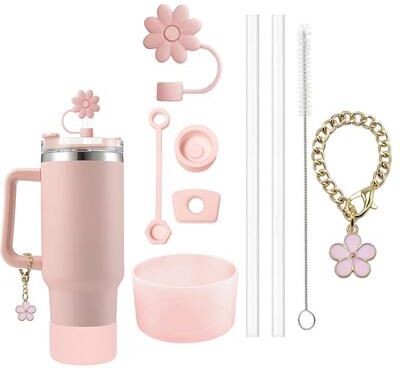
Friendly Fresh Finds Stanley Cup Accessories Set Spill Proof Stoppers, Straws, Brushes & Flower Charm For Customization pinkElevate your Stanley Cup with our 9pcs Stanley Cup Accessories Set. This thoughtfully curated set includes everything you need to personalize and protect your favorite cup. Designed for convenience and style, it features three spillproof stoppers,...34,97 $*Shipping: 0,00 $Secure redirect to the provider
-
Friendly Fresh Finds Adjustable Door Bottom Draft Stopper Weatherproof Insulation For Energy Efficiency And Noise Reduction Adjustable Door Bottom Draft Stopper Weatherproof Insulation For Energy Efficiency And Noise ReductionSay goodbye to drafts and unwanted noise with this adjustable door bottom draft stopper. Designed to fit snugly under any door, it helps prevent cold air, dust, and sound from entering your home. Whether you're looking to save on heating costs or...31,97 $*Shipping: 0,00 $Secure redirect to the provider
-
Friendly Fresh Finds Stanley Cup Accessories Set Spill Proof Stoppers, Straws, Brushes & Flower Charm For Customization creamElevate your Stanley Cup with our 9pcs Stanley Cup Accessories Set. This thoughtfully curated set includes everything you need to personalize and protect your favorite cup. Designed for convenience and style, it features three spillproof stoppers,...34,97 $*Shipping: 0,00 $Secure redirect to the provider


-
What are main clause-subordinate clause constructions?
Main clause-subordinate clause constructions are sentences that consist of a main clause and one or more subordinate clauses. The main clause is a complete sentence that can stand alone, while the subordinate clause depends on the main clause for its meaning and cannot stand alone. Subordinate clauses often begin with subordinating conjunctions such as "because," "although," "if," or "when," and they provide additional information or context to the main clause. These constructions allow for more complex and nuanced sentence structures, and they are commonly used in both spoken and written language. **
-
Can an adverbial clause also be a subject clause or an object clause?
No, an adverbial clause cannot be a subject clause or an object clause. An adverbial clause functions as an adverb to modify a verb, adjective, or adverb in a sentence. Subject clauses and object clauses, on the other hand, serve as the subject or object of the main clause, respectively. Each type of clause has a specific grammatical function within a sentence. **
-
Is the main clause and subordinate clause correct?
To determine if the main clause and subordinate clause are correct, you need to ensure that they are grammatically sound and that they make sense when combined. The main clause should be able to stand alone as a complete sentence, while the subordinate clause provides additional information but cannot stand alone. Checking for subject-verb agreement and proper punctuation between the two clauses can help confirm their correctness. **
-
How do I recognize a relative clause, a conjunctional clause, and an interrogative clause?
A relative clause typically starts with a relative pronoun (such as who, whom, whose, which, or that) and provides more information about a noun in the main clause. A conjunctional clause, on the other hand, is introduced by a conjunction (such as and, but, or because) and connects two independent clauses. An interrogative clause is a type of clause that asks a question and is typically introduced by an interrogative pronoun (such as who, what, when, where, why, or how) or an interrogative adverb (such as how, when, or where). **

How can I recognize a relative clause, a conjunctional clause, and an interrogative clause?
A relative clause is a type of dependent clause that typically starts with a relative pronoun (such as who, whom, whose, which, or that) and provides additional information about a noun in the main clause. A conjunctional clause, on the other hand, is a dependent clause that functions as an adverb, adjective, or noun in a sentence and is connected to the main clause by a conjunction (such as because, although, if, when, etc.). An interrogative clause is a type of clause that asks a question and typically begins with a question word (such as who, what, where, when, why, or how) or with a helping verb followed by the subject. **
Is the accompanying clause in direct speech a main clause or a subordinate clause?
The accompanying clause in direct speech can be either a main clause or a subordinate clause, depending on its role in the sentence. If the clause is expressing a complete thought and can stand alone as a sentence, then it is a main clause. However, if the clause is dependent on the rest of the sentence for its meaning and cannot stand alone, then it is a subordinate clause. It's important to consider the context and structure of the sentence to determine the role of the accompanying clause in direct speech. **
Top-Angebote
Products related to Clause:
-
Ring Battery Video Doorbell Pro – Advanced Home Security & Connectivity, NewUpgrade your home security with the Ring Battery Video Doorbell Pro – Wireless Video Doorbell Security Camera . Designed to give you peace of mind, it delivers a head-to-toe 1536p HD view so you can see every detail clearly, from visitors to parcels at your doorstep. With advanced 3D Motion Detection and Bird’s Eye View , you’ll always know what’s happening around your home. The built-in colour night vision ensures crisp images even in the dark, while the wire-free battery design makes installation simple and flexible. Stay connected anywhere with instant notifications, two-way talk, and full integration with the Ring app, Alexa devices, and more. ✔️ Wireless video doorbell – Easy to install with a rechargeable battery, no wiring needed ✔️ 1536p HD head-to-toe view – See visitors and packages clearly in high definition ✔️ 3D Motion Detection & Bird’s Eye View – Advanced alerts and aerial perspective for extra security ✔️ Colour night vision – Crystal-clear video even in low light or darkness ✔️ Two-way talk with noise cancellation – Hear and speak to visitors in real time ✔️ Customisable motion zones – Focus on the areas that matter most ✔️ Smart alerts & notifications – Instant updates on your phone via the Ring app ✔️ Alexa compatible – Works seamlessly with Echo devices for hands-free monitoring ✔️ Quick-release battery pack – Easy to recharge and swap for uninterrupted security ✔️ Durable design – Built to withstand outdoor weather conditions The Ring Battery Video Doorbell Pro combines advanced motion detection, high-definition video, and smart home integration in one sleek device. Perfect for enhancing your home security, it ensures you never miss a visitor or delivery, day or night.174,49 £*Shipping: 0,00 £Secure redirect to the provider
-
Uplift Treasures Adjustable Car Accessibility Safety Handle Adjustable Car Accessibility Safety HandleProduct Description Make getting in and out of your vehicle safer and easier with this adjustable car accessibility safety handle. Designed to provide reliable support without tools, it installs quickly and offers a secure grip for seniors,...39,97 $*Shipping: 0,00 $Secure redirect to the provider
-
Friendly Fresh Finds Stanley Cup Accessories Set Spill Proof Stoppers, Straws, Brushes & Flower Charm For Customization pinkElevate your Stanley Cup with our 9pcs Stanley Cup Accessories Set. This thoughtfully curated set includes everything you need to personalize and protect your favorite cup. Designed for convenience and style, it features three spillproof stoppers,...34,97 $*Shipping: 0,00 $Secure redirect to the provider
-
How do you transform an object clause or a subject clause into a dependent clause (subordinate clause)?
To transform an object clause or a subject clause into a dependent clause, you can add a subordinating conjunction at the beginning of the clause. For example, changing "I know that he is coming" (object clause) to "I know when he is coming" (dependent clause). Another way is to remove the subject or object pronoun and change the verb form to make it dependent on the main clause. For instance, changing "She believes she can win" (subject clause) to "She believes she can win" (dependent clause). **
-
Is an infinitive clause a subordinate clause?
Yes, an infinitive clause is a type of subordinate clause. It functions as a single unit within a sentence and is dependent on the main clause for its meaning. Infinitive clauses typically begin with the word "to" followed by a verb, and they can serve various purposes such as expressing purpose, result, or obligation. **
-
What are main clause-subordinate clause constructions?
Main clause-subordinate clause constructions are sentences that consist of a main clause and one or more subordinate clauses. The main clause is a complete sentence that can stand alone, while the subordinate clause depends on the main clause for its meaning and cannot stand alone. Subordinate clauses often begin with subordinating conjunctions such as "because," "although," "if," or "when," and they provide additional information or context to the main clause. These constructions allow for more complex and nuanced sentence structures, and they are commonly used in both spoken and written language. **
-
Can an adverbial clause also be a subject clause or an object clause?
No, an adverbial clause cannot be a subject clause or an object clause. An adverbial clause functions as an adverb to modify a verb, adjective, or adverb in a sentence. Subject clauses and object clauses, on the other hand, serve as the subject or object of the main clause, respectively. Each type of clause has a specific grammatical function within a sentence. **
Similar search terms for Clause
-
Friendly Fresh Finds Adjustable Door Bottom Draft Stopper Weatherproof Insulation For Energy Efficiency And Noise Reduction Adjustable Door Bottom Draft Stopper Weatherproof Insulation For Energy Efficiency And Noise ReductionSay goodbye to drafts and unwanted noise with this adjustable door bottom draft stopper. Designed to fit snugly under any door, it helps prevent cold air, dust, and sound from entering your home. Whether you're looking to save on heating costs or...31,97 $*Shipping: 0,00 $Secure redirect to the provider
-
Friendly Fresh Finds Stanley Cup Accessories Set Spill Proof Stoppers, Straws, Brushes & Flower Charm For Customization creamElevate your Stanley Cup with our 9pcs Stanley Cup Accessories Set. This thoughtfully curated set includes everything you need to personalize and protect your favorite cup. Designed for convenience and style, it features three spillproof stoppers,...34,97 $*Shipping: 0,00 $Secure redirect to the provider
-
Friendly Fresh Finds Stanley Cup Accessories Set Spill Proof Stoppers, Straws, Brushes & Flower Charm For Customization purpleElevate your Stanley Cup with our 9pcs Stanley Cup Accessories Set. This thoughtfully curated set includes everything you need to personalize and protect your favorite cup. Designed for convenience and style, it features three spillproof stoppers,...34,97 $*Shipping: 0,00 $Secure redirect to the provider
-
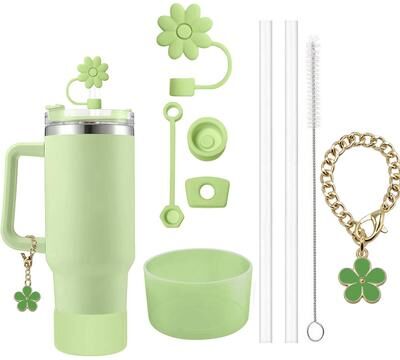
Friendly Fresh Finds Stanley Cup Accessories Set Spill Proof Stoppers, Straws, Brushes & Flower Charm For Customization greenElevate your Stanley Cup with our 9pcs Stanley Cup Accessories Set. This thoughtfully curated set includes everything you need to personalize and protect your favorite cup. Designed for convenience and style, it features three spillproof stoppers,...34,97 $*Shipping: 0,00 $Secure redirect to the provider
-
Is the main clause and subordinate clause correct?
To determine if the main clause and subordinate clause are correct, you need to ensure that they are grammatically sound and that they make sense when combined. The main clause should be able to stand alone as a complete sentence, while the subordinate clause provides additional information but cannot stand alone. Checking for subject-verb agreement and proper punctuation between the two clauses can help confirm their correctness. **
-
How do I recognize a relative clause, a conjunctional clause, and an interrogative clause?
A relative clause typically starts with a relative pronoun (such as who, whom, whose, which, or that) and provides more information about a noun in the main clause. A conjunctional clause, on the other hand, is introduced by a conjunction (such as and, but, or because) and connects two independent clauses. An interrogative clause is a type of clause that asks a question and is typically introduced by an interrogative pronoun (such as who, what, when, where, why, or how) or an interrogative adverb (such as how, when, or where). **
-
How can I recognize a relative clause, a conjunctional clause, and an interrogative clause?
A relative clause is a type of dependent clause that typically starts with a relative pronoun (such as who, whom, whose, which, or that) and provides additional information about a noun in the main clause. A conjunctional clause, on the other hand, is a dependent clause that functions as an adverb, adjective, or noun in a sentence and is connected to the main clause by a conjunction (such as because, although, if, when, etc.). An interrogative clause is a type of clause that asks a question and typically begins with a question word (such as who, what, where, when, why, or how) or with a helping verb followed by the subject. **
-
Is the accompanying clause in direct speech a main clause or a subordinate clause?
The accompanying clause in direct speech can be either a main clause or a subordinate clause, depending on its role in the sentence. If the clause is expressing a complete thought and can stand alone as a sentence, then it is a main clause. However, if the clause is dependent on the rest of the sentence for its meaning and cannot stand alone, then it is a subordinate clause. It's important to consider the context and structure of the sentence to determine the role of the accompanying clause in direct speech. **
* All prices are inclusive of VAT and, if applicable, plus shipping costs. The offer information is based on the details provided by the respective shop and is updated through automated processes. Real-time updates do not occur, so deviations can occur in individual cases. ** Note: Parts of this content were created by AI.